For B2B buyers of custom rubber and plastic products, understanding the core differences between PVC and silicone is the basis for rational purchasing, while grasping industry trends is key to seizing market opportunities. As 2026 unfolds, these two materials are leading the transformation of the custom market with their unique characteristics.
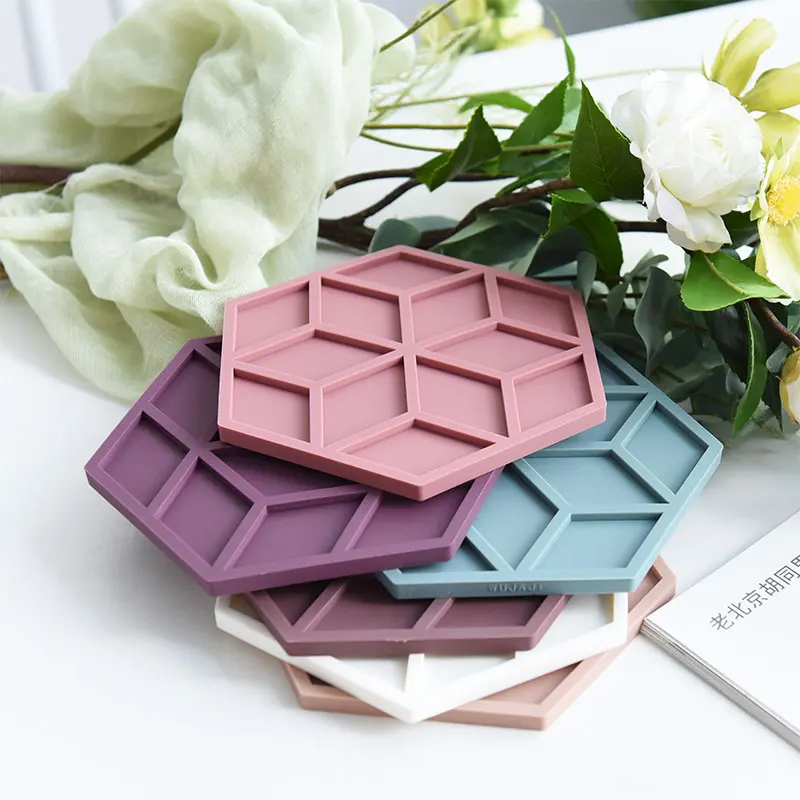
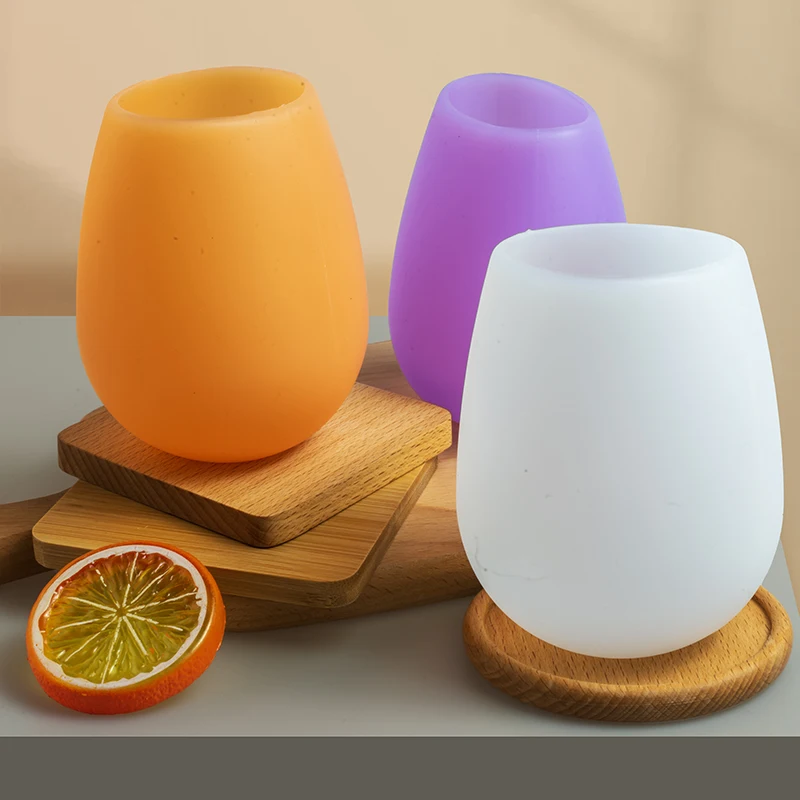
In terms of product science, PVC (polyvinyl chloride) and silicone have distinct properties. PVC requires the addition of 25%-35% plasticizers to achieve flexibility, with a hardness range of 50-90 Shore A and a usable temperature range of -10℃ to 60℃ . It boasts strong plasticity, rich colors, low customization costs, and a short production cycle, making it ideal for cost-sensitive products such as promotional keychains and conventional coasters . Silicone, mainly composed of siloxane polymers, does not require plasticizers. It has a wider hardness range (10-80 Shore A) and excellent temperature resistance (-40℃ to 230℃), along with outstanding rebound resilience and chemical stability . Food-grade silicone passing FDA and LFGB certifications is widely used in high-demand fields such as food contact coasters and medical accessories. A simple way to distinguish them: silicone products feel soft and elastic with no odor, while PVC products may have a slight smell and lower elasticity .
From the perspective of industry trends, 2026 will see green transformation become a rigid requirement. With the tightening of global environmental regulations, traditional PVC products containing phthalate plasticizers are being phased out, and environmentally friendly PVC with lead-free stabilizers and bio-based plasticizers has become mainstream . Silicone, with its inherent environmental advantages, has a market share growing at an annual rate of over 12% . Meanwhile, the integration of customization and functionality is accelerating. For example, silicone coasters with antibacterial and non-slip functions, and PVC keychains integrated with practical tools, are favored by B2B customers . Data shows that by 2030, functional customized products will account for more than 40% of the entire PVC and silicone custom market.
 Hot News
 EN
EN